A Comparative Analysis of TPO and Modified Bitumen

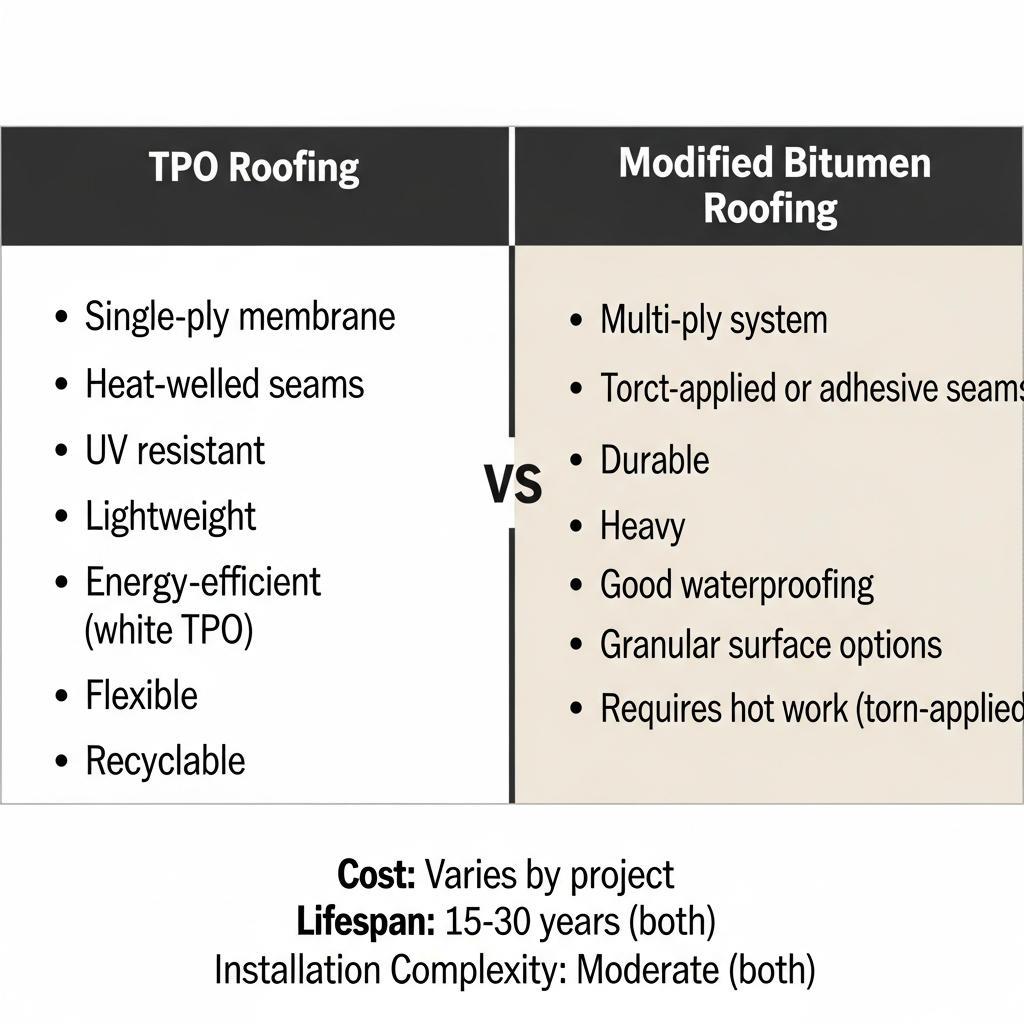
In the realm of commercial roofing materials, Thermoplastic Olefin (TPO) and modified bitumen stand out as commonly favored choices for many establishments. Each material presents its own set of benefits and limitations, making it vital for property managers to grasp their distinct characteristics. With Allweather Roof's extensive background in commercial roofing solutions, we are here to assist in determining which material aligns best with your requirements. This article will delve into the comparison of TPO and modified bitumen, highlighting their advantages, durability, and cost considerations.

Commercial Roofing Insights: TPO Versus Modified Bitumen

Overview of TPO Roofing

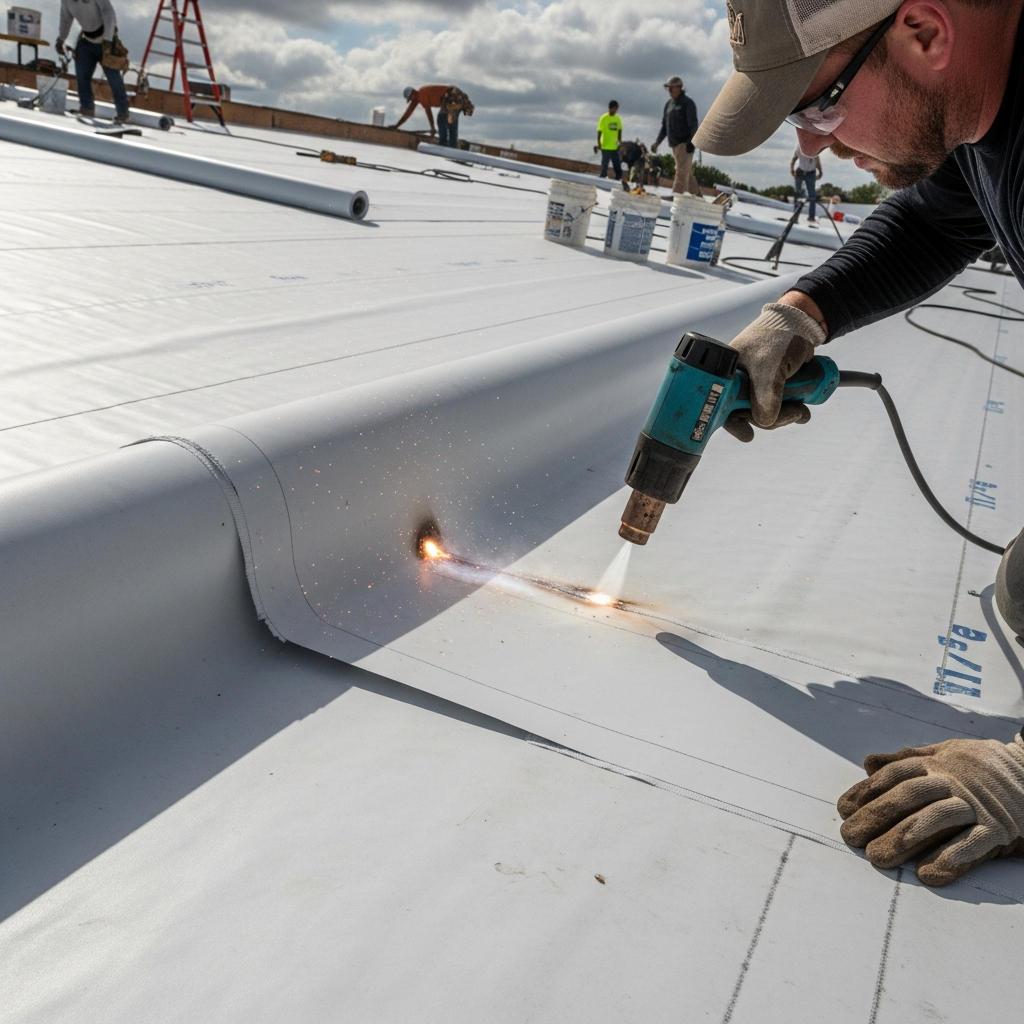
Thermoplastic Olefin (TPO) is hailed as a single-layer roofing membrane known for its exceptional energy efficiency alongside a robust structure. Characterized by its light-colored reflective layer, TPO aids in decreasing energy expenses related to cooling in commercial spaces. The lightweight nature and straightforward installation methods—offering options for mechanical fastening or adhesive application—grant versatility throughout the installation process. Additionally, TPO’s resistance to UV radiation and various chemicals ensures extended durability while requiring minimal upkeep.

Understanding Modified Bitumen

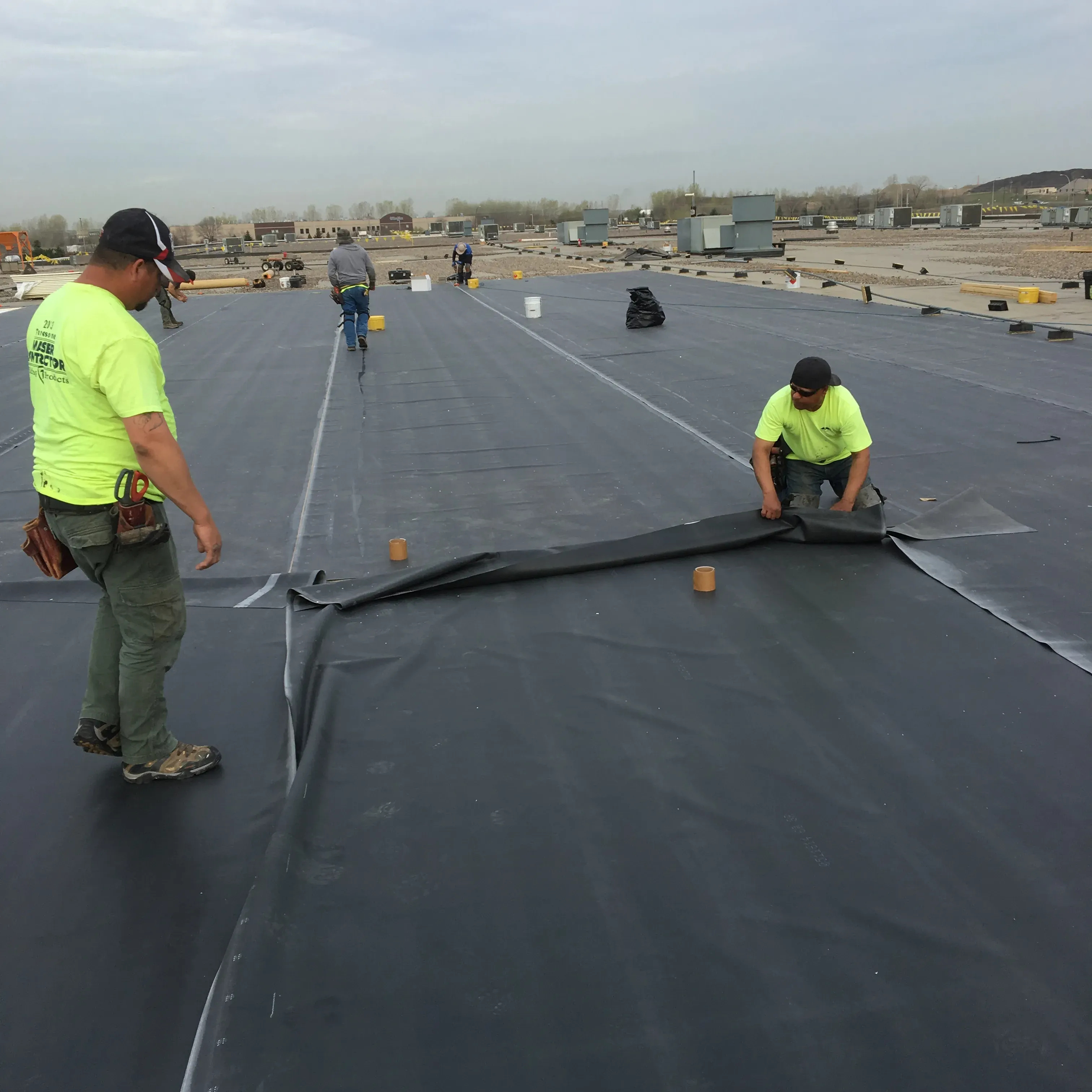
Modified bitumen roofing represents a reliable solution that merges traditional asphalt properties with contemporary advancements. By leveraging polymer enhancements, this roofing choice emerges as notably resilient and flexible. Typically applied in multiple layers, modified bitumen grants elevated protection against moisture infiltration and extreme weather conditions. It uniquely suits low-slope roofing applications and can be affixed using various techniques such as torched installation, self-stick methods, or with cold adhesives.

Comparative Differences and Important Factors

Analyzing the comparison between TPO and modified bitumen involves several considerations. TPO often proves to be a more affordable option and exhibits superior reflectivity, potentially leading to reduced energy expenditures. Conversely, modified bitumen is engineered for durability and enhanced resistance to foot traffic, making it a prime candidate for facilities requiring regular maintenance access. Regional climatic factors and compliance with building regulations should certainly influence your selection of roofing materials. Engaging with Allweather Roof’s specialists can clarify which roofing option aligns optimally with your commercial specifications.

Video

Frequently Asked Questions

TPO, or Thermoplastic Olefin, is a widely adopted single-ply roofing membrane recognized for its energy conservation and long-lasting characteristics.

Modified bitumen roofing combines traditional asphalt with innovative technologies, reinforcing its reliability and flexibility.

While TPO can be fastened mechanically or adhered, modified bitumen typically needs to be applied in layers using methods such as torched installations or self-adhering processes.

Generally, TPO is regarded as more energy-efficient due to its reflective surface, aiding in lowering cooling costs.

Both materials provide excellent durability, although modified bitumen is particularly strong under severe weather and frequent foot traffic.